
9 Amazing Fall Herbs to Harvest, Dry, and Store for Winter

As the leaves begin to turn and the air grows crisp, there’s a special kind of magic in the garden. Fall is the perfect time to embrace the rich flavors of the season through herbs. Whether you’re a seasoned gardener or a cooking enthusiast, you might be wondering how to make the most of your fall harvest. That’s exactly why I created this post! I want to share the incredible herbs that thrive in autumn, and guide you on how to harvest, dry, and store them for the chilly winter months ahead.
If you’re someone who enjoys herb gardening or simply loves to cook with fresh ingredients, you’ll find this guide particularly useful. You’ll discover nine amazing fall herbs, each with its unique flavors and uses. From the heartiness of rosemary to the refreshing zing of mint, I’ll cover everything you need to know about these herbs—how to care for them during this season, and how to preserve their goodness for when you need it most. By the end of this post, you’ll be equipped with practical tips to keep your kitchen vibrant all winter long.
Get ready to dive into the world of fall herbs that not only add flavor to your meals but also bring warmth to your home. Let’s explore how to make the most of this beautiful season!
1. Rosemary – The Resilient Herb

Are you looking to add a touch of warmth to your winter meals? Rosemary, with its earthy and pine-like aroma, is perfect for elevating hearty dishes. This herb thrives in the cooler months and brings a delightful flavor to roasted meats and comforting soups, making it a winter staple in your kitchen.
To harvest rosemary, simply snip off sprigs from the plant. Dried rosemary intensifies its flavor, ensuring you have a ready supply for your winter cooking. Tie small bundles of sprigs together and hang them upside down in a warm, dry spot with good airflow. Once the leaves are crisp, store them in an airtight jar for easy access. It’s fantastic with lamb, chicken, or even in savory bread recipes!
Quick Tips for Rosemary:
– Select firm, green leaves without browning for maximum flavor.
– Store dried rosemary in a dark, cool place to preserve its potency.
Recipe Idea: Whisk dried rosemary into an olive oil and balsamic vinegar dressing for a robust salad topping!
Fun fact: Rosemary thrives in cooler fall months, offering a harvest of 15–20 sprigs per plant. Drying rosemary concentrates flavor for winter meals—snip, tie into small bundles, and hang to dry for weeks.
2. Thyme – A Flavorful Staple

Craving a herb that adds depth to your favorite meals? Thyme is not only a classic in French cuisine but also a versatile addition to everything from stews to roasted veggies. Its flavor peaks in the fall, making it the perfect time to gather fresh sprigs for drying.
Harvest thyme by snipping off young, tender leaves. Drying is simple; you can hang the sprigs upside down or use a dehydrator. Once dried, strip the leaves from the stems and store them in airtight containers. Dried thyme maintains its flavor beautifully, ensuring you have this essential herb on hand throughout the colder months.
Quick Tips for Thyme:
– Fresh thyme is best for optimal flavor in dishes.
– Dried thyme enhances marinades and dressings beautifully.
Recipe Idea: Toss root vegetables with olive oil, salt, and a sprinkle of dried thyme before roasting for a delightful side dish!
3. Sage – The Savory Herb

Looking for a bold flavor that can transform your dishes? Sage is your go-to herb for rich winter meals, enhancing everything from stuffing to creamy sauces. This herb flourishes in the cool fall air, making it the perfect time to harvest.
When picking sage leaves, opt for the larger ones that pack the most flavor. To dry, rinse the leaves, pat them dry, and hang them in small bundles. Alternatively, if space is limited, lay the leaves flat on a drying rack. Keeping the dried leaves whole ensures they retain flavor longer, making sage a wonderful addition to your winter recipes.
Quick Tips for Sage:
– Pair sage with roasted meats or in creamy sauces for a savory kick.
– It’s a delightful addition to winter squash dishes too!
Recipe Idea: Melt butter with dried sage to create a savory dressing for roasted veggies or pasta!
4. Oregano – Mediterranean Essence
Are you dreaming of Mediterranean flavors in your cooking? Oregano is a must-have herb that thrives even as temperatures drop. Its robust flavor makes it an ideal companion for pizzas, pastas, and marinades, bringing a taste of the Mediterranean to your winter meals.
Harvest oregano by snipping off the flowering tops, which contain the most essential oils. To dry, hang in small bunches or use your oven on a low setting. Once dried, strip the leaves off the stems and store in airtight containers. Dried oregano is a fantastic way to add a burst of flavor to your favorite dishes all winter long.
Quick Tips for Oregano:
– Avoid over-drying; it should crumble easily but maintain color.
– A little goes a long way, so use it sparingly for seasoning.
Recipe Idea: Combine dried oregano with olive oil and balsamic vinegar for a zesty marinade or salad dressing!
5. Mint – Refreshing and Invigorating

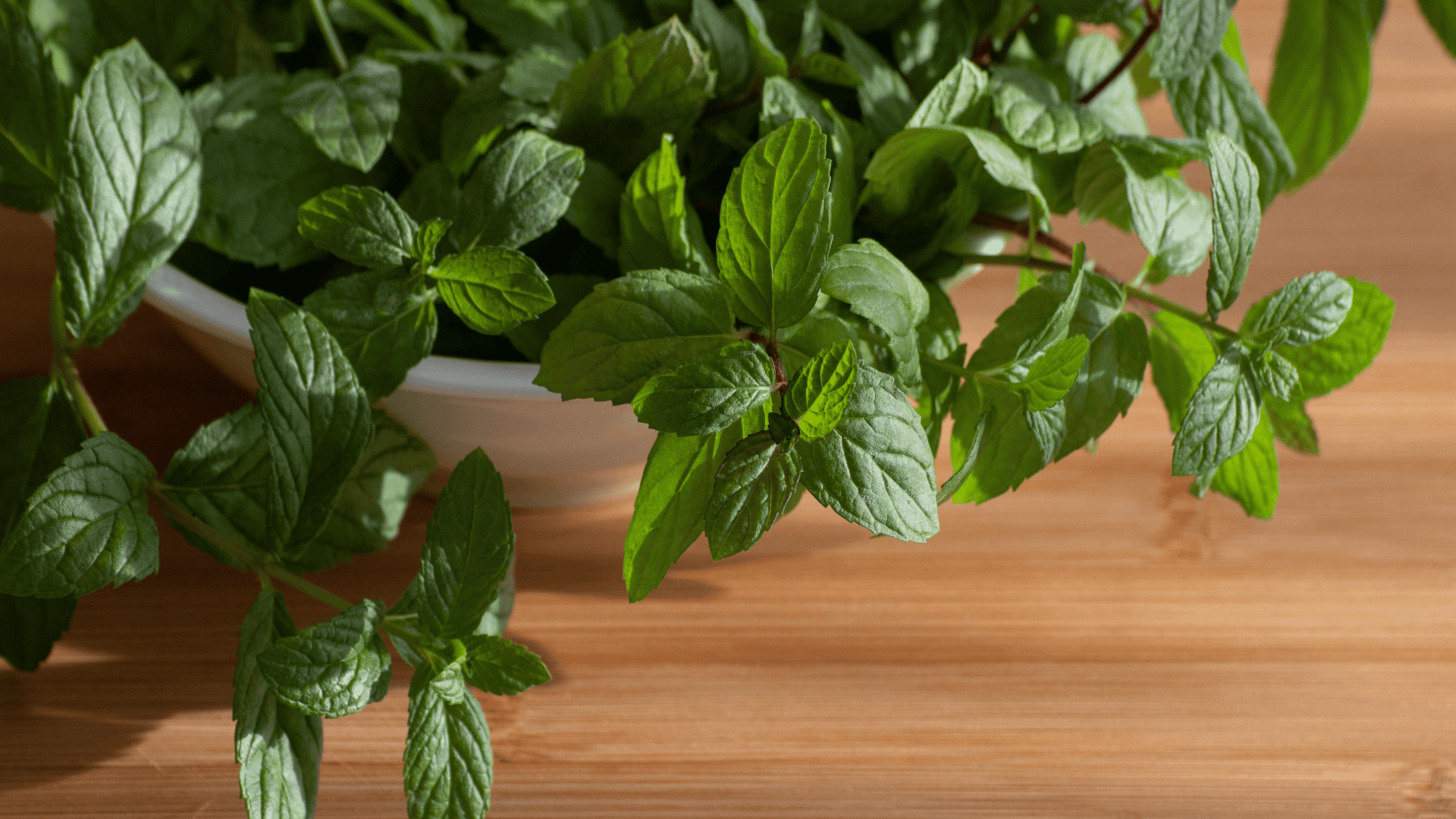
Searching for a herb that invigorates your dishes? Mint brings a refreshing taste that complements both sweet and savory creations. Its vigorous growth in the fall makes it the perfect time for a bountiful harvest just before winter sets in.
When cutting mint, choose young, vibrant stems that are bursting with flavor. Drying mint is easy: hang it or lay it flat to dry. Once the leaves are completely dried, store them in a glass jar away from light. Dried mint is a wonderful addition to teas, desserts, and savory dishes, adding a delightful twist to your winter meals.
Quick Tips for Mint:
– Use fresh mint in cocktails or as a garnish to elevate flavors.
– Avoid over-drying to keep the bright flavor intact.
Recipe Idea: Stir dried mint into a yogurt sauce for a refreshing dip or drizzle it over grilled meats for an unexpected burst of flavor!
Fun fact: among fall herbs, mint can rebloom and produce up to 3x more growth with a single harvest. Clip young, vibrant stems, dry by hanging, then store in a glass jar away from light for minty flavor all winter.
6. Chives – Subtle Onion Flavor

Do you want an herb that adds a delicate touch to your dishes? Chives offer a mild onion flavor that brightens up any meal. As a hardy herb, they’re perfect for harvesting in the fall while the weather is still pleasant.
Look for firm, green stalks, and trim them with scissors to encourage new growth. To preserve chives, you can freeze or dry them. If drying, chop them into small pieces and lay them flat on a drying rack. Storing dried chives in an airtight container helps maintain their delicate flavor, making them perfect for garnishing soups, salads, and omelets during winter.
Quick Tips for Chives:
– Freshly chopped chives add a pop of color and flavor to dishes.
– Avoid using dried chives in long-cooking dishes, as their flavor diminishes.
Recipe Idea: Mix chopped chives into cottage cheese or cream cheese for a tasty spread!
7. Dill – The Unique Addition

Looking for an herb that adds a unique flair to your cooking? Dill is beloved for its distinct flavor and aroma, making it perfect for enhancing many dishes. It flourishes in the fall, making this an ideal time to harvest for preservation.
Pick the most vibrant green fronds to maximize flavor. Drying dill is straightforward; hang the sprigs upside down or place them on a rack. Once fully dried, you can strip the leaves off the stems and store them in a jar. Dried dill adds a unique kick to fish dishes, salads, and pickles during the colder months.
Quick Tips for Dill:
– Store it in a dark, cool place to keep its flavor intact.
– Fresh dill works beautifully in salads and as a garnish for soups.
Recipe Idea: Combine dried dill with yogurt and lemon juice for a refreshing dip!
8. Basil – The Sweet Aroma

Are you craving an herb that brings a sweet, aromatic flavor to your meals? Basil is a culinary favorite that enhances a wide variety of dishes. Harvesting basil in the fall helps you capture its flavor before frost hits, ensuring you have it for winter cooking.
When cutting basil, focus on the top leaves to encourage bushier growth. For drying, you can hang it or place it on a drying rack. Once fully dried, crumble the leaves and store them in a jar. Dried basil makes a fantastic addition to sauces, soups, and even as a seasoning for meats during the colder months.
Quick Tips for Basil:
– Fresh basil is perfect for garnishing and enhancing flavors in dishes.
– Dried basil is ideal for slow-cooked recipes.
Recipe Idea: Blend dried basil with olive oil and garlic for a delicious pasta sauce!
9. Cilantro – A Zesty Finish

Do you want to brighten up your dishes with fresh flavors? Cilantro, also known as coriander, is a zesty herb that adds vibrancy to many meals. Though often linked to summer, harvesting cilantro in the fall captures its bold taste before it goes to seed.
Snip the leaves from the stems, ensuring they are fresh and green. For preservation, cilantro can be dried or frozen. If you choose to dry it, do so in a low oven or dehydrator, then store the dried leaves in an airtight jar. Dried cilantro can elevate soups, salsas, and grain salads throughout winter.
Quick Tips for Cilantro:
– Fresh cilantro is fantastic in garnishes or salads to brighten dishes.
– Dried cilantro serves as an excellent flavor base for cooking.
Recipe Idea: Add dried cilantro to a veggie stir-fry for a zesty finish that will enliven your dish!
Fun fact: Cilantro keeps its bold zing best when picked on cooler fall days—think 60–70°F weather for brighter aroma. Snip leaves, yielding 2–3 cups chopped for freezing or drying; dry in a low oven or dehydrator, then seal tightly for months of flavor in winter dishes.
How To Choose Fall Herbs for Harvesting, Drying, and Storing
Choosing the right fall herbs for your garden can make a big difference in your cooking throughout winter. Here’s how to select the best herbs to harvest, dry, and store.
1. Flavor Profile
Think about the flavors you enjoy most. Some herbs, like rosemary and thyme, add depth to savory dishes, while others, like mint and basil, bring freshness and sweetness. Consider what dishes you typically make in winter and choose herbs that will complement those flavors. If you love Italian food, oregano and basil are must-haves.
2. Growing Conditions
Different herbs have unique growing needs. Make sure you understand the light, soil, and water requirements of each herb. For example, rosemary thrives in well-drained soil and full sun, while cilantro prefers cooler temperatures. Check your garden conditions to see which herbs will flourish and make your choices accordingly.
3. Harvesting Time
Timing is everything when it comes to harvesting. Some herbs can be picked multiple times a season, while others should be harvested once they reach maturity. For instance, you can start snipping leaves from chives early in the season, but wait until basil is fully grown to get the best flavor. Research the optimal harvest times for each herb to maximize your yields.
4. Drying and Storing Needs
Not all herbs dry well. Choose herbs that maintain their flavor after drying, such as sage and thyme. However, herbs like basil lose their potency and aroma quickly. If you plan to dry your herbs, look for those that can withstand the process without significant flavor loss. Additionally, consider how you’ll store them—glass jars work well for longer-lasting freshness.
5. Availability of Seeds or Plants
Check your local garden center or farmers’ market for availability. Some herbs are more challenging to grow from seeds and might be easier to buy as young plants. Look for healthy, disease-free plants to ensure a successful harvest.
6. Personal Preference
Ultimately, choose herbs you love! If you enjoy cooking with certain herbs, prioritize those when selecting what to grow. Having herbs you’re passionate about will make the process of harvesting and using them in your cooking all the more enjoyable.
Pro Tip: Start small with a few herbs that you know you’ll use frequently. As you gain confidence in your herb gardening skills, expand your selection to include more varieties. This will help you avoid overwhelming yourself and ensure you have a solid foundation for your winter cooking!
Conclusion (Fall Herbs to Harvest)
Harvesting, drying, and storing herbs in the fall is a fulfilling way to prepare for the cold winter months. Each herb brings its unique flavor and health benefits, ensuring that your meals remain vibrant and delicious even when fresh produce is scarce. By following the tips and recipes shared in this list, you can enjoy the bounty of your garden throughout the winter!
So, gather your favorite fall herbs and start preserving them today. Your winter recipes will thank you for it!
Frequently Asked Questions
Which fall herbs are best to harvest, dry, and store for winter?
Some fall herbs to work with include sage, rosemary, thyme, oregano, mint, dill, chives, parsley, and cilantro. To maximize flavor, harvest these during dry, sunny mornings after the dew has dried, using sharp scissors to snip sprigs just above a leaf node for bushier growth.
Gently shake off soil, pat dry, and choose your preferred drying method: air-dry in loose bundles in a warm, well-ventilated spot; use a low-heat dehydrator; or spread leaves on a screen and dry in a warm, airy room. Once completely dry, strip the leaves from the stems (or crumble if you prefer) and store in airtight containers in a cool, dark place for winter use.
What is the easiest way to dry fall herbs for long-term storage?
Air-drying is the simplest method for many fall herbs. Gather stems into small bundles, tie with twine, and hang in a dry, well-ventilated area away from direct sun. Check every few days and remove any moldy leaves. When the leaves crumble easily, they’re ready.
If you prefer faster results, a small food dehydrator set to low heat (95-105°F / 35-40°C) works great. Dry herbs until the scent is muted and the leaves crumble. Prevent color loss by keeping the heat low and avoiding direct sun.
Whichever method you choose, strip leaves from stems if you want uniform granules or leave intact for flexible storage, then store in airtight containers away from light.
How should I store dried fall herbs to keep flavor for winter?
Store dried fall herbs in airtight jars or tins, ideally made of glass or metal, and label with the herb name and date. Keep them in a cool, dark pantry away from heat and moisture to protect flavor. For maximum freshness, store whole leaves or stems until you’re ready to use them, then crumble or chop as needed. Most dried herbs stay vibrant for 1-3 years, with best flavor in the first year.
Always check a small taste before using and discard if the aroma is flat or musty.
When is the best time to harvest fall herbs to maximize aroma and flavor?
Harvest fall herbs in the morning after any dew has dried, when essential oils are most concentrated. Choose stems that are sturdy and well-filled; cut just above a leaf node to encourage new growth. If a herb is flowering, you can pick just before or after flowering depending on your flavor goal. Aim to harvest only what you’ll use in the near term to keep your plants healthy for next year and ensure you have plenty of fall herbs for winter storage.
Can I preserve fall herbs other than drying, like freezing or making pesto, for winter use?
Yes! Freezing is a great complement to drying for long-term flavor. Chop herbs like parsley, dill, or chives and freeze in water or olive oil in ice cube trays, then transfer the cubes to a labeled bag for winter use. Basil, cilantro, and mint can also be frozen or turned into pesto; freeze pesto in ice cube trays or small portions for easy winter flavor boosts.
Another option is to prep herb bundles (like rosemary or thyme) with a bit of olive oil and freeze them flat on a tray; this keeps them ready to drop into soups, stews, and roasts. By combining drying with freezing or pesto making, you’ll have a versatile supply of fall herbs for winter meals.
Harvest your herbs before cold weather arrives and preserve their flavor for cozy winter cooking.
University of Minnesota Extension – Growing Herbs Indoors