

Did you know growing microgreens without soil is something you can learn and do because they are simple to grow at home? But, knowing how to grow microgreens without soil is important. Microgreens are smaller than baby plants but bigger than sprouts. They grow quite fast and are harvested in their second stage after becoming sprouts. Microgreens have gained popularity these days because of two critical reasons:
- They are a nutritional powerhouse – The densest foods ever
- They are great for garnishing
What You Need to Grow Microgreens Without Soil
- Seed. Use organic seeds that are specifically sold for growing microgreens. You can get these from nurseries and online retailers.
- Trays. To grow your microgreens you will need to have a tray. The tray should be thick, in perfect condition, and without any holes.
- Growing Medium. You will need a medium in which you grow the microgreens. You can use coconut coir, grow pads, well-drained soil, or clean water for hydroponic. In our case, we will use the hydroponic system.

- Light. Light is important for plant growth and microgreens are not any different. Get a good source of light from the sun or the LED grow lights if the room you are using is dark.
- pH Testing Kit. Always test the water you use to grow your plants for the right pH level. The right pH level should be around 6.
- Nutrients. Your microgreens will need the right nutrients to thrive. Giving microgreens additional nutrients will do them more good than harm. Use organic micronutrients specifically made for growing without soil.
- Spray Bottle. To help water your baby greens, you will need a spray bottle. Get a specific one for your microgreens rather than use an old one or one that is used in other plants. This is to avoid contamination.
Tips for Growing Microgreens Indoors Without Soil
When it comes to growing microgreens indoors without soil, there are a few things that you should take into consideration before you begin. The fact is, that you have various options other than soil when growing hydroponic microgreens. Listed below are a few tips for growing them successfully, using simple methods.
Tips:
- Microgreens can be grown on soilless growing mediums, which include rock wool and coconut coir.
- Some of the easiest methods to grow hydroponic microgreens are to use paper towels, grow pads, or grow mats which are usually made of wood fiber or jute.
- Using water with a pH of about six is also effective in growing microgreens.
- When growing these plants in water, it is recommended that a pH kit be used to test the levels. This is to ensure that your plants are growing in a suitable environment. Keep in mind that the water can be adjusted to the correct pH levels if need be.
- Photosynthesis is an important part of developing your microgreens. Therefore, affording your plants an ample amount of light after four or five days will start this process.
- If you opt to use microgreen trays, ensure that it has enough holes for good aeration.
- Unlike soil-grown plants, microgreens do not need to be spread out when planting. So, a generous amount of seeds can be grown in a paper towel at the same time.
How to Grow Broccoli Microgreens Without Soil?
Knowing how to grow broccoli microgreens without soil would save you a lot of hassle as opposed to usual planting methods. In this case, grow mats would actually work quite well for broccoli microgreens. Not only is it quite simple to use for your plants, but these mats are also reusable, which is a money saver. This is because aside from the readymade microgreen grow mats, you can also opt to make them yourself using different types of materials. These options include jute grow mats, wood fiber grows mats, hemp grows mats and felt microgreen grow mats, amongst others.
Here are a few tips for growing broccoli microgreens without soil:
- You will need broccoli seeds, a microgreen growth mat of your choice, and nursery flats that don’t have drainage holes. Grow mats are quite useful when growing sprouts in the absence of soil.
- To begin, you would have to soak the growing mat in water for a few hours. This step cannot be skipped, no matter the choice of grow mat material you opt for.
- Then, you should take your broccoli seeds and also soak them in water for a few hours. This step should be done at the same time you decide to soak the mat so the seeds and grow mat will be ready on time.
- After a few hours have passed, drain the mat and place the soaked seed on top of it. Ensure that you spread the seeds out evenly when doing this. You should also avoid covering them at this stage as it is not necessary.
- Thereafter, you can place the mat in a sunny spot. A south-facing windowsill, in this instance, would be great. If this is not possible, you can use grow lights instead.
- Make sure to keep the microgreen grow mat well-watered at all times. Neglecting to water and leaving it to completely dry out will flaw your plants.
- If the steps above are followed correctly, you should see the broccoli microgreen seeds sprouting and growing in a few days.
Benefits of Choosing to Grow Microgreens Without Soil
Growing microgreens without soil need lesser water compared to growing them in the soil. Using the hydroponic system allows you to reuse the water again and again making it economical.
Here are two major benefits:
- You can grow them all year round for your nutrients
- Some microgreens varieties like kale, wheatgrass, and kohlrabi produce a better crop in water than in soil.
What are the Disadvantages of Microgreens
So, what are the disadvantages of Microgreens? Although microgreens are amongst the simplest plants to grow, they do come with a few disadvantages that you should take note of. However, through the negatives, a lot of people opt to grow them at home as they are simple to maintain and sprout in a matter of days. That does not mean that the downsides of growing them in your home should be ignored. Have a look below to learn more.
Disadvantages of growing microgreens at home:
- The best way to start microgreens is indoors because expecting large yields when growing them outdoors could prove disappointing if you do not know about how it’s done.
- When growing microgreens indoors, there is a higher risk for bacteria during the plant’s sprouting stage. For this reason, careful monitoring is required.
- Microgreens can become quite messy if left unattended. Regular cleaning is a must to keep the area neat.
- Microgreens need daily watering to grow their best.
- Ready-to-buy microgreen trays can be a bit costly as they are sold for about $10 each. Therefore, it is better to grow your own plants as you can grow about five trays at that cost which is much more affordable.
- Although microgreens are forgiving plants in unsuitable environments, they can easily flaw if neglected. To get abundant yields, you would need to provide the correct growing conditions and supplies that they require.
Best Growing Medium for Microgreens
When it comes to the best-growing medium for microgreens, there are a few aspects to take into consideration to keep your plants healthy and happy. Although some microgreens do well with just soil and water, others, like radishes and brightly colored plants, demand nutritious growing mediums to thrive. Ultimately, the best medium for microgreens should include peat moss or coco peat, perlite, and vermiculite as it offers favorable results.
Using commercial garden soil varieties is not advised when growing microgreens. This is because of their compaction, which prevents plant roots from penetrating the soil and spreading. Additionally, several readymade soil mixes can also be used for microgreens. Ocean solution 2-0-3, which is a hydroponic nutrient from the sea, is a highly recommended growing medium. This soil mix is produced by Ocean Grown Inc. and is widely used to grow microgreens indoors or outdoors.
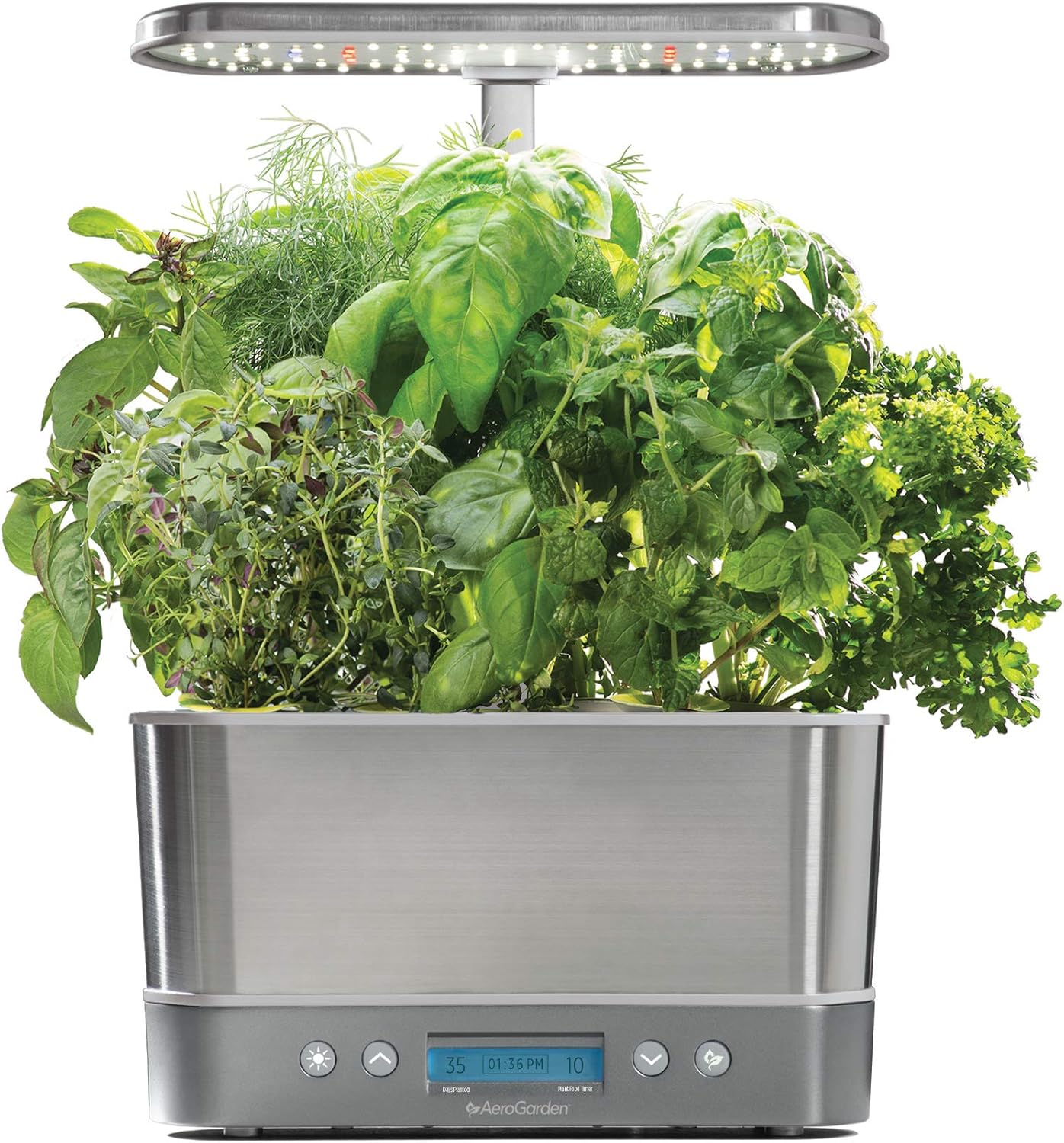
How to Grow Microgreens Hydroponically at Home
- Prepare filtered water with a pH range of 5.5 – 6.5. Get 10 x 20 plastic trays together with hydroponic growing pads. Pour in water and ensure the growing pads are completely soaked with no dry spots. Once soaked lay them flat for seeding. You can use paper towels instead of growing pads. Fold the paper towel several times to make a thick layer that will not be washed away by the water.
- Spread your seeds evenly on the wet pad or paper towel. If you want to grow a denser crop, use about 3 tablespoons of seeds. This measurement is perfect for growing microgreens like arugula, broccoli, radish, and mizuna.
- Use your spray bottle and spray the seeds evenly for 12-15 sprays. Take an empty dark-colored tray and spray the water inside and put it upside down on the growing tray. This provides humidity and moisture while keeping the seeds from excessive light.
- Place both trays at a warm location where they will get good light and a temperature of between 65-85F.
- Use a spray bottle to spray the seeds every 10-12 hours. Do not water the tray or overwater.
- The seeds will sprout after 4-5 days. Uncover the tray and keep it in a spot that receives direct sunlight for at least 3-4 hours. Keep rotating the tray so that it gets even light on all ends.
- Check the water levels by pressing your finger on the pad. At this point, stop using the sprayer bottle and water normally. Water until the pad is soaked fully with water.
- The microgreens will be ready for harvest in 10-12 days while others can be harvested in 7 days.
- Harvest them early morning or late evening and enjoy eating them in salads.
Final Words on How to Grow Microgreens Without Soil

Caroline is a gardener who loves to get down to the nitty–gritty of gardening. She proudly proclaims herself as a ‘dirt worshipper‘ and can often be found deep in the garden, covered in soil and singing to her plants. As a self–proclaimed ‘plant whisperer‘, Caroline believes that plants need love and attention just like any other living thing, and she loves to give them both. When she‘s not tending to her garden, you can often find her researching the latest gardening trends, or teaching others how to make their gardens thrive