

Planting tulips is one of the most rewarding ways to create a vibrant and elegant garden that comes to life every spring. Whether you are a beginner gardener or someone with years of experience, tulips offer beauty, versatility, and timeless appeal. With the right planning, you can enjoy healthy blooms that return season after season.
In this complete guide, you will learn how to plan your garden step by step, choose the right tulip varieties, prepare the soil properly, and care for your bulbs long after planting. If you’ve ever dreamed of a garden filled with colorful tulips, this article will give you the confidence and knowledge to make it happen.
How to Plan the Perfect Garden: Expert Tips for Planting Tulips Successfully
1.Choosing the Right Tulip Varieties for Planting Tulips Successfully
Finding the perfect tulip varieties for your garden can feel daunting with over 3,000 options available. Start by identifying your local climate and personal preferences, as some tulips thrive in warmth while others prefer cooler conditions. Think about the timing of their blooms—do you want early, mid, or late-season flowers? Consider the shape and height as well; classic Triumph tulips offer elegance, while Fringed tulips add a playful touch with their unique edges.
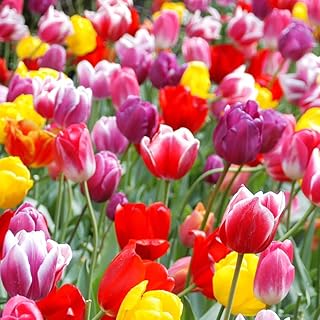
Don’t forget to plan your color palette! Whether you desire a vibrant mix or a soothing collection of pastels, combining different types can produce a breathtaking display. Always select healthy bulbs—choose firm, blemish-free ones for the best results.
Key steps to select your tulip varieties:
– Research specific needs of different tulip types.
– Mix bloom times for an extended flowering season.
– Plant in clusters for a stunning visual effect.
– Inspect bulbs for quality before purchasing.
– Tailor your color choices to reflect your style.
Choosing the right tulip varieties sets the foundation for a vibrant garden that brings joy every spring.
Fun fact: there are over 3,000 tulip varieties to choose from. When planning planting tulips, start by your climate and bloom timing—early, mid, or late—to pick 2-3 reliable types. Classic Triumphs offer elegance, while Fringed tulips add playful edges.
2. Planning Your Garden Layout Before Planting Tulips
Creating a thoughtful garden layout is essential for growing beautiful tulips. Start by sketching your garden space, taking into account sunlight, drainage, and existing plants. Tulips prefer well-drained soil and ample sunlight, so position them wisely for optimal growth.
Rather than scattering tulips randomly, group them in clusters to mimic their natural growth patterns. Layering tall tulips in the back and shorter ones in the front adds depth and dimension to your design.
Steps to effectively plan your garden layout:
– Accurately measure your garden dimensions.
– Identify sunny and shaded areas.
– Balance colors and bloom times in your plan.
– Utilize graph paper for precision.
– Make adjustments based on plant requirements.
A well-planned layout not only enhances aesthetics but also helps prevent overcrowding, ensuring each tulip thrives.
3. Timing is Everything: Best Time of Year for Planting Tulips
Timing plays a critical role in the successful planting of tulips. To achieve stunning blooms, plant your tulip bulbs in the fall, about 6 to 8 weeks before the ground freezes, allowing them to establish roots.
If you live in a warmer area, consider early winter planting. Keep an eye on the soil temperature; it should hover around 60°F for optimal planting conditions. For an early burst of color, you can also force tulips indoors!
Key timing tips for planting tulips:
– Follow local calendars for ideal planting times.
– Consider your climate zone when scheduling.
– Use mulch to protect bulbs from frost.
– Allow a natural dormancy for bulbs.
– Experiment with planting times for unique blooms.
Getting the timing right not only enhances your tulips’ appearance but also promotes a healthier garden overall.
Timing is Everything: Best Time of Year for Pla…
Editor’s Choice
100-Pack Mixed Tulip Flower Bulbs – Bulk Pack of Colorful Tulips for S…

Urban Worm Soil Thermometer – 5-in Stainless Steel Stem – Perfect for Ga…
4. Soil Preparation for Planting Tulips
Healthy soil is fundamental for flourishing tulips. Begin by testing your soil’s pH; tulips thrive in slightly alkaline to neutral conditions (6 to 7). Adjust the pH if necessary by adding lime or sulfur.
Ensure your soil has good drainage; if it’s compacted, enrich it with organic matter like compost or peat moss. Adding sand can also improve drainage in clay-heavy soils.
Steps for soil preparation:
– Clear weeds to eliminate competition.
– Turn the soil to about 12 inches deep.
– Mix in compost for nutrient enrichment.
– Avoid heavy fertilizers before planting.
– Ensure no standing water at the site.
Proper soil preparation lays the groundwork for healthy tulip roots, leading to vibrant blooms come spring.
5. Proper Depth and Spacing When Planting Tulips
Getting the planting depth and spacing right is crucial for tulips to thrive. Typically, bulbs should be planted 6 to 8 inches deep, depending on their size, with larger bulbs going deeper and smaller ones staying closer to the surface.
Spacing is essential too! Aim for 4 to 6 inches apart, allowing each bulb the room it needs to grow without competing for resources. Overcrowding can lead to stunted growth and disease.
Important planting tips:
– Measure depth accurately for optimal growth.
– Use a ruler or bulb planter for consistency.
– Adjust spacing based on bulb size and type.
– Consider the final height for visual balance.
– Mark spots before digging to avoid guesswork.
Getting these details right ensures your tulips have the space and conditions necessary for a spectacular spring display.
Fun fact: Planting tulips at 6 to 8 inches deep and 4 to 6 inches apart gives each bulb room to grow. Larger bulbs deserve a deeper start, smaller ones stay closer to the surface. This simple spacing prevents crowding, boosting bloom and health.
6. Watering Best Practices After Planting Tulips
Watering is a vital part of tulip care. Before planting, make sure the soil is moist but not waterlogged. Water the area a few days beforehand to achieve the right moisture level.
After planting, water the bulbs again, especially if rain is scarce. Be cautious not to overwater, as tulips do not like soggy conditions. Generally, watering once a week while allowing the soil to dry out slightly is best.
Watering tips to follow:
– Adjust your schedule based on rainfall.
– Use a soaker hose for even moisture delivery.
– Check soil moisture with your finger before watering.
– Add mulch around bulbs to help retain moisture.
– Avoid overhead watering to prevent fungal issues.
Smart watering practices will help your tulips establish roots and grow healthily throughout the season.
Fun fact: Too much water is the tulip’s kryptonite—bulbs can rot within 48 hours in soggy soil. Water before planting tulips to reach slight moisture, then water again weekly, letting the soil dry a bit between sips. Adjust for rainfall.
7. Mulching: A Gardener’s Best Friend
Mulching is key to the health and success of your tulip garden. A layer of mulch helps retain moisture, suppress weeds, and regulate soil temperature. Organic options like shredded bark or straw enrich the soil as they break down.
Apply a 2 to 3-inch layer of mulch around your tulips after planting, keeping it away from the bulbs to avoid rot. This layer also protects bulbs from harsh conditions in winter.
Effective mulching strategies:
– Select mulch that fits your garden style.
– Refresh mulch every spring for best results.
– Keep mulch clear from bulb bases.
– Watch for pests hiding under the mulch.
– Consider decorative options to enhance visual appeal.
Using mulch wisely creates a supportive environment for your tulips while making your garden visually attractive.
8. Pest and Disease Management
Maintaining a healthy tulip garden involves being proactive about pests and diseases. Common pests like aphids, snails, and bulb flies can damage your tulips, so regular inspections are crucial.
If you notice pests, act swiftly! Handpick larger ones like snails, and use insecticidal soap for aphids. Preventive measures, such as rotating planting locations, can disrupt pest cycles.
Effective management strategies:
– Monitor moisture levels to prevent rot.
– Use diatomaceous earth as a natural pest barrier.
– Implement companion planting to attract beneficial insects.
– Regularly remove any dead or diseased foliage.
– Consult local gardening groups for specific pest issues.
Being vigilant can protect your tulips and allow you to enjoy their stunning blooms all season long.
9. Enjoy the Blooms: Ongoing Care
Once your tulips begin to bloom, it’s time to appreciate their beauty! Ongoing care is crucial to keep them healthy. After flowering, resist the urge to cut the foliage; it’s essential for photosynthesis and bulb health.
Allow the leaves to remain until they naturally yellow and wither. This process helps the bulb gather energy for next year’s blooms. You can deadhead spent flowers to maintain a tidy appearance.
Ongoing care tips for tulips:
– Water during dry spells for continued growth.
– Fertilize lightly after blooms fade to nourish bulbs.
– Keep an eye out for pests or diseases.
– Plan for next season’s planting early.
– Enjoy the blooming period and capture photos!
Caring for your tulips after blooming ensures they return even more vibrant next year, creating a delightful cycle of beauty in your garden.
10. Planning for Next Year: Perennial Tulips
While tulips are often viewed as annuals, they can thrive as perennials with the right care. After blooming, consider leaving the bulbs in the ground to naturalize.
However, not all varieties reliably return each year. Opt for Darwin Hybrid and Triumph tulips if you want consistent blooms year after year.
Planning tips for next year’s tulip garden:
– Rotate your planting plan for vibrant variety.
– Store unplanted bulbs in a cool, dry spot.
– Document successes and challenges for future reference.
– Layer new bulbs annually for continuous color.
– Join gardening clubs to share experiences and tips.
Planning ahead for your tulip garden ensures you’re ready for a beautiful spring, creating an ever-changing tapestry of color and charm.
Conclusion: Start Planting Tulips with Confidence
Planting tulips is both an art and a science. With thoughtful planning, proper soil preparation, and consistent care, you can create a breathtaking spring garden filled with color and life.
Tulips reward patience and preparation, making them perfect for gardeners who enjoy seeing their efforts bloom year after year.
Let your love for tulips blossom into beautiful memories as you nurture your garden. Happy planting!